 |
 |
||
 |
 |
||
 |
 |
 |
 |
 |
 |
|
|---|---|---|
 |
||
 |
|
|
|
||
 |
|
|
|
||
 |
|
|
|
||
 |
|
|
|
||
 |
|
|
|
||
 |
|
|
|
||
 |
 |
 |
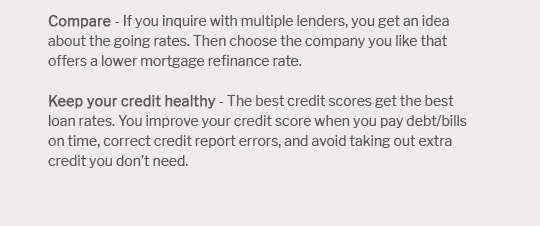 |
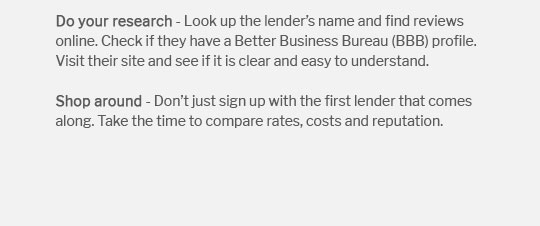
How to Lower Your Mortgage Interest Rate: A Comprehensive GuideSecuring a mortgage is a significant step in one's financial journey, and understanding how to manage and reduce the interest rate can make a substantial difference in the long term. Many homeowners may not realize the myriad ways available to potentially lower their mortgage interest rate, often due to common misconceptions or overlooked strategies. This guide aims to shed light on practical steps you can take to navigate this aspect of homeownership effectively. Firstly, improving your credit score is pivotal. Lenders typically offer better rates to borrowers with higher credit scores. You might want to review your credit report for errors, pay down outstanding debts, and ensure timely bill payments to enhance your score. It's advisable to monitor your credit regularly and address any discrepancies promptly. Often, individuals underestimate the impact a high credit score can have on negotiating a lower interest rate. Another critical factor is shopping around for lenders. Don't settle for the first offer you receive. Different lenders have varying criteria and rates, so it's wise to compare offers from multiple institutions. This comparison allows you to gauge the market and identify the best possible deal. Additionally, consider working with a mortgage broker who can access a wider range of options and might secure better terms on your behalf.
Additionally, maintaining a stable income and employment history can positively influence your interest rate. Lenders prefer borrowers with consistent income and stable employment records, as this demonstrates reliability and reduces perceived risk. Lastly, be cautious of common pitfalls such as overextending your budget or overlooking the fine print in loan agreements. It's crucial to ensure that you fully understand the terms and conditions, as well as any potential penalties associated with your mortgage. Consulting with a financial advisor or mortgage professional can provide clarity and prevent costly mistakes. In conclusion, lowering your mortgage interest rate is achievable through diligent financial management, strategic planning, and informed decision-making. By taking proactive steps to improve your credit score, exploring refinancing options, and thoroughly researching lender offerings, you can significantly reduce your financial burden and enhance your homeownership experience. https://www.chase.com/personal/mortgage/education/financing-a-home/ways-to-reduce-mortgage-rates
How to get a lower mortgage rate - 1. Shopping for mortgage rates - 2. Improving your credit score - 3. Considering your loan term - 4. Making a larger down payment. https://finance.yahoo.com/personal-finance/mortgages/article/lowest-mortgage-rates-155235056.html
MORTGAGE APR BY FICO SCORE - 2. Lower your debt-to-income ratio - 3. Make a larger down payment - 4. Buy discount points - 5. Get an interest rate ... https://www.rocketmortgage.com/learn/best-mortgage-rates
Tip 1: Make A Larger Down Payment. Making a significant down payment on a house can help you secure a lower interest rate because it reduces the lender's risk.
|
|---|
